Leading Employment-Focused Immigration Counsel: Your Reference for Handling Immigration Requirements
Traversing through the intricacies of work-based immigration calls for skilled counsel. The correct attorney can profoundly affect the outcomes of travel authorization applications. With several travel authorization varieties and constantly shifting regulations, understanding the landscape is necessary. Both employers and staff encounter common difficulties that could thwart their targets. What factors should individuals evaluate when selecting an immigration representative? Unpacking these elements will reveal a clearer path through the travel authorization submission process.
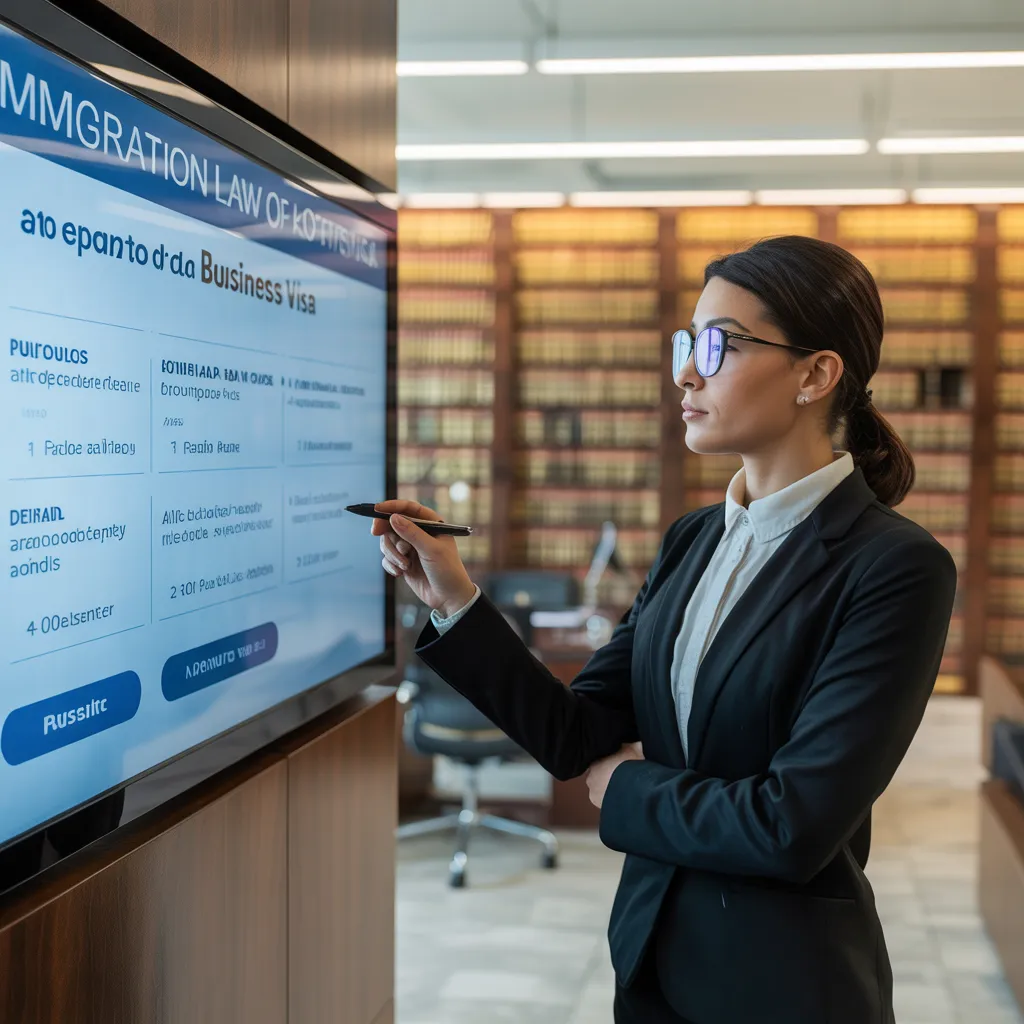
Major Classifications for Employment-Based Immigration
When assessing employment-based immigration, comprehending the various types is crucial for both employers and prospective employees. Several key categories facilitate this process, each tailored to specific circumstances. The H-1B is one of the most recognized, permitting U.S. companies to employ foreign workers in specialty occupations that require theoretical or technical expertise. The L-1 allows intra-company transferees to work in the U.S., ideal for multinational companies. Another notable category is the O-1 , which is designated for individuals with extraordinary ability or achievement in their field. Additionally, the EB-2 and EB-3 provide pathways for skilled workers and professionals seeking permanent residency based on employment. Comprehending these types helps both parties navigate the complexities of employment-based immigration effectively, ensuring compliance with legal requirements and optimizing the hiring process.
Typical Hurdles in Employment-Based Immigration and Resolutions
Tackling the difficulties of work sponsorship presents multiple typical hurdles that can hinder both workers and employers. One primary obstacle is the constantly changing immigration regulations, which can cause perplexity and uncertainty. Organizations may struggle to keep pace with these changes, resulting in potential regulatory issues. Additionally, extended processing times for work permit can postpone hiring, affecting operational functions.
One additional problem lies in the filing requirements. Candidates often experience challenges collecting the required documents, which can result in incomplete submissions and later denials. In addition, a absence of clear dialogue between companies and workers can worsen confusion regarding the immigration procedures.
To mitigate these difficulties, organizations can invest in development programs for HR workforce on immigration subjects and establish clear communication channels. Receiving professional guidance from experienced immigration solicitors can also facilitate the process, ensuring that both stakeholders navigate the complexities effectively and successfully achieve their immigration targets.
Choosing the Best Immigration Attorney Match for You
How can one make certain they discover the right immigration attorney to handle the complexities of employment-based immigration? First, potential clients should evaluate the attorney's experience and specialization in employment-based cases. A qualified attorney will have a deep understanding of immigration laws and procedures relevant to employment .
In addition, asking for recommendations from trusted sources can convey valuable insights into an attorney's prestige and proficiency. Online reviews and testimonials can also help appraise consumer fulfillment.
Furthermore, it is necessary to set up consultations to assess communication styles and overall compatibility. An competent legal professional should be approachable, responsive, and capable of conveying difficult legal information understandably.
In conclusion, individuals ought to discuss pricing arrangements beforehand to avoid unexpected costs. By considering these factors, people can surely choose an immigration lawyer who meets their particular requirements and facilitates a streamlined immigration process.
Understanding the Travel Authorization Request Journey: What to Know
What procedures should one anticipate during the application process? Initially, candidates must identify the appropriate category based on their employment status. After identifying the proper category, they should gather necessary paperwork such as job offers, educational qualifications, and any necessary endorsements from employers.
Subsequently, applicants will need to submit the application form, which often features detailed personal and professional information. Once the form is submitted, individuals ordinarily remit the relevant costs. Following this, interviews may be organized, where individuals can expect to address inquiries pertaining to their qualifications and intentions in the host country.
Once the meeting is finished, applicants wait for a determination, which could range from approval and denial. Keeping clear communication with an immigration lawyer throughout this procedure can help navigate any complications that occur. Understanding these procedures useful tips can simplify the application journey, increasing the chance of achieving a favorable result.
Authentic Triumph Cases in Employment-Related Immigration
Handling the approval procedure can be discouraging, but many individuals have successfully secured job-based , transforming their occupational pursuits. Take, for example, Maria, a software engineer from Brazil. After a long application journey, she received an H-1B , allowing her to work for a leading tech firm in Silicon Valley. This opportunity not only propelled her job trajectory but also strengthened her personal life.
In the same way, Raj, an Indian physician, surpassed many obstacles to acquire a J-1 for a medical residency in the United States. His dedication and resilience ultimately enabled him to land a lasting role in a prestigious hospital, realizing his dream of working in medicine in America.
These real success stories highlight the consequence of work-related immigration, proving how determined individuals can steer through complex processes and accomplish their objectives, contributing to diverse workplaces and locales across the country.

Regular Commonly Inquired Questions
What Experience Should I Look for in an Immigration Attorney?
When looking for an immigration lawyer, one should prioritize relevant experience, a strong track record with comparable matters, clear communication skills, positive client reviews, and current understanding of immigration laws and procedures. Qualifications are important considerably.
How much time Does the Application Process usually Take?
The approval procedure commonly takes numerous months, reliant on the type and specific circumstances. Aspects such as processing periods, required documentation, and potential backlogs can greatly shape the overall duration of the application.
What Are the Age Requirements for Career-Based Immigration Applicants?
Employment-based immigration applicants commonly do not experience specific age limits. Nevertheless, various categories may involve age-specific considerations, including qualification for particular programs or benefits, which can change according to individual circumstances.
Is it possible to file different Types in parallel?
Yes, an individual can request multiple types simultaneously. However, each application must satisfy specific requirements and rules. Speaking with an immigration lawyer can assist manage the complexities of filing multiple applications effectively.
What Fees Are Connected to Hiring an Immigration Attorney?
Engaging an immigration counsel typically necessitates charges for conferences, application preparation, and advocacy. Costs can vary considerably based on the attorney's experience, the complexity of the case, and regional differences, often extending hundreds to thousands of dollars.